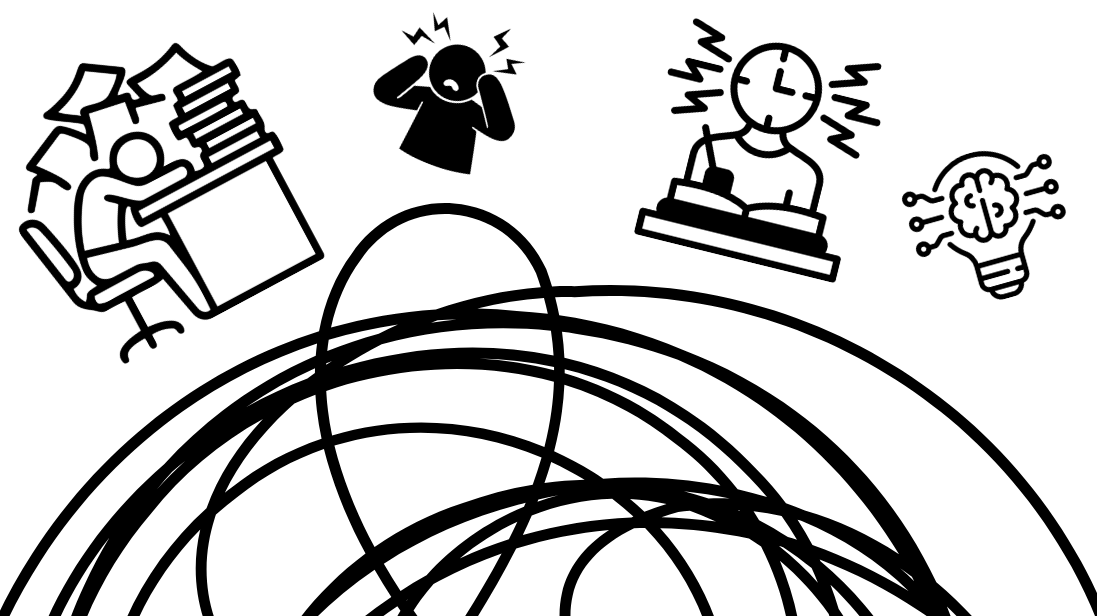
As the year comes to a close, it is easy to get caught up with all the end-of-year stress, especially if you are a senior. Because of this, it is important to be aware of your mental well-being.
Mrs. Megan Frost, a Family and Consumer Sciences teacher and the Students Against Destructive Decisions (SADD) adviser, told me, “There are many domains of health which need to be considered in order to feel balanced. Setting boundaries and setting priorities are important to achieving a sense of balance.”
One of the most effective ways to manage stress is by setting clear boundaries. This can mean limiting how late you stay up working, saying no to extra commitments, or protecting time that is meant for rest. Without boundaries, responsibilities can quickly pile up and become overwhelming and exhausting. Creating a schedule is another good strategy. Writing down deadlines and personal time helps make responsibilities feel more manageable.
Additionally, it is also important to step back and look at the bigger picture. Not every assignment carries the same weight, and understanding what truly needs to get done can help prevent unnecessary stress. Prioritizing tasks based on importance can make the workload feel less daunting.
Finally, students should ensure that they are setting time for themselves. Whether it’s spending time with friends, working on a hobby, or simply taking a break, personal time is essential to maintain positive mental health.
As deadlines approach and expectations rise, taking small steps to staying balanced can make a big difference. Managing stress is not about eliminating it entirely, but rather about learning how to handle it in a healthy way.