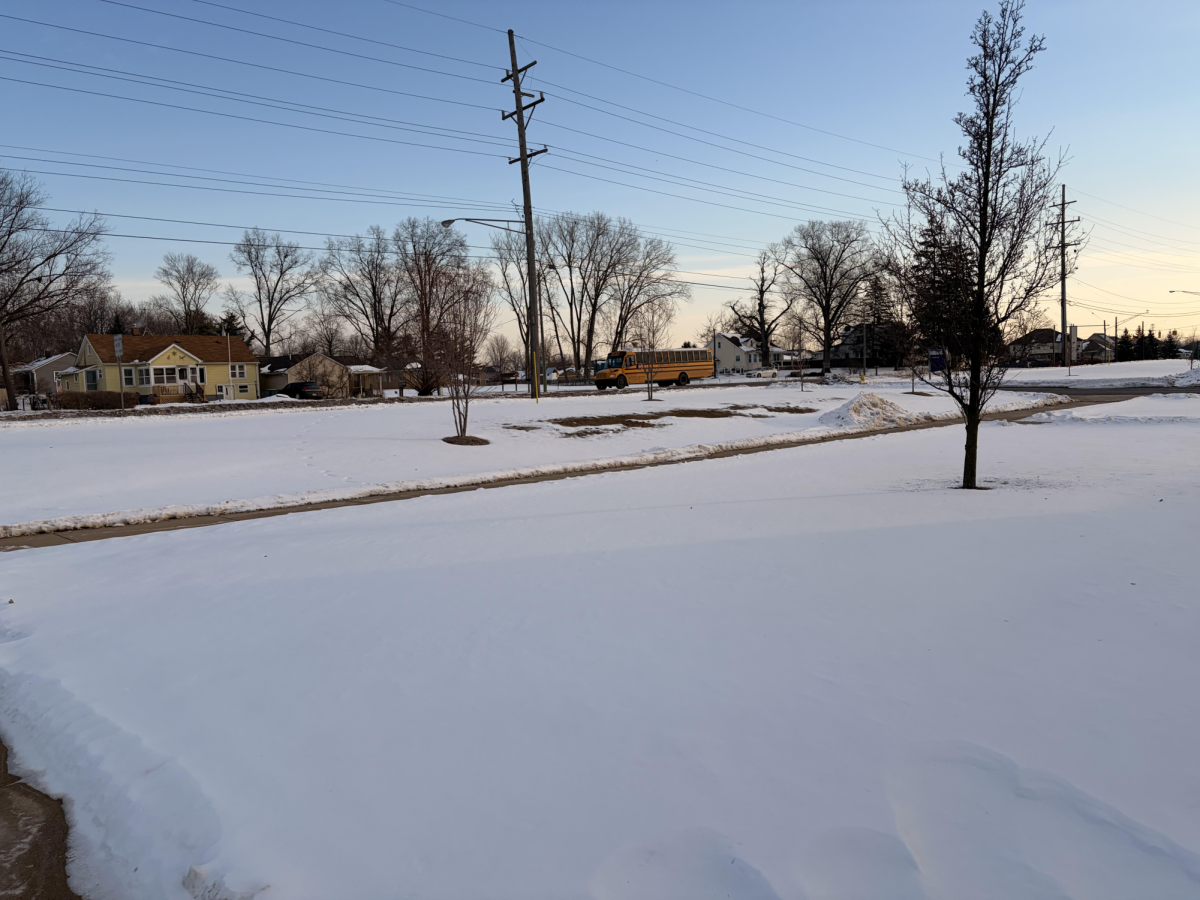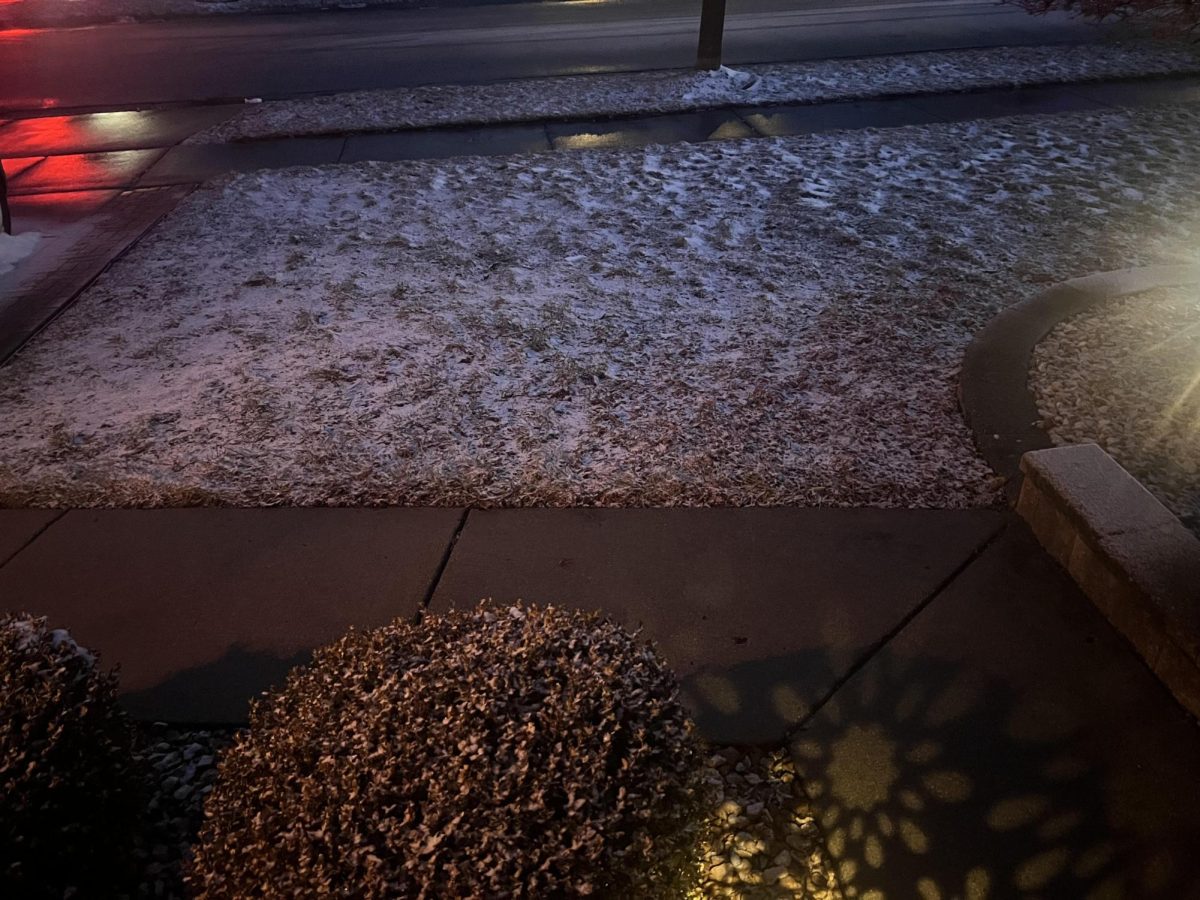
With heavy snow conditions and icy roads, the month of January has brought multiple unexpected school closures on January 14, 20, 23, and the 26th, causing disruptions to learning schedules and daily routines throughout the district. The missed days raised concerns about students’ mental health, sleep habits, and lesson plans. The most immediate effect has been the loss of classroom learning time. For several teachers, scheduled lesson plans have been thrown off track, making it more difficult to cover the material before certain deadlines. Some talk has been raised about remote learning days being added to future snow closures to keep instruction on schedule.
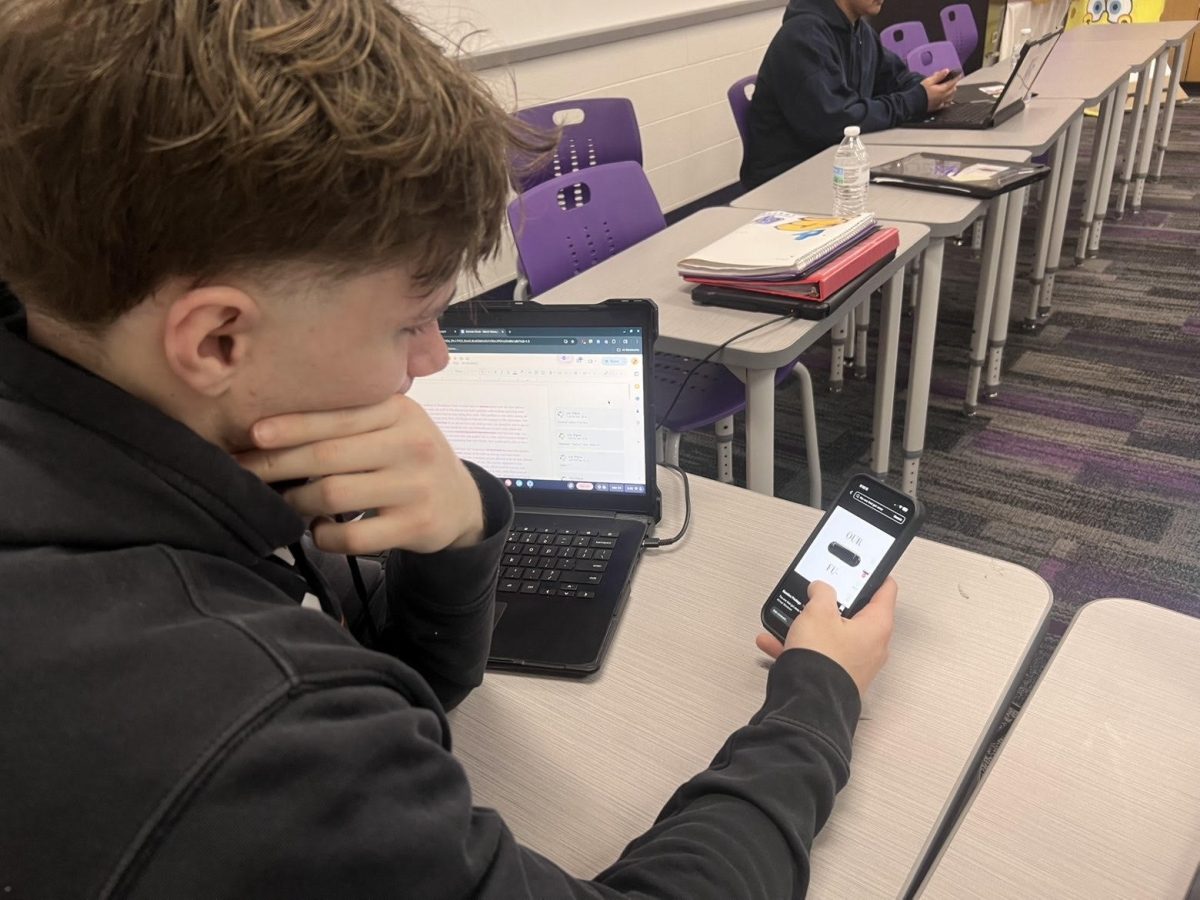
Extended breaks can also impact students’ mental and emotional health, in a negative or positive way. Some can enjoy extra time to relax or catch up on sleep, while others feel stressed by the possibility of what could happen and the additional work when school resumes. The sudden changes in routine can make it harder for students to stay in an academic mindset, preparing for any upcoming tests or projects. Sleep schedules are another area affected by snow days. Without having to wake up early, many students enjoy sleeping in, which ruins their sleep schedule. If heavy snowfall continues in future winters, the district should consider remote learning to keep classes on track.
While snow days bring a temporary sense of relief from everyday struggles, Woodhaven senior Jessica Lyons states, “My sleep schedule has been messed up, but I’ve felt so much better when we have a snow day because I actually have time to sleep, and my learning is completely fine; I learn more at home than at school”. While it’s nice to have a break, the sudden changes in our schedule can be harder to navigate. For some of us, remote learning could be a good solution to maintain progress without losing valuable classroom time. In the end, finding what works for everyone and the balance between the two is most important.